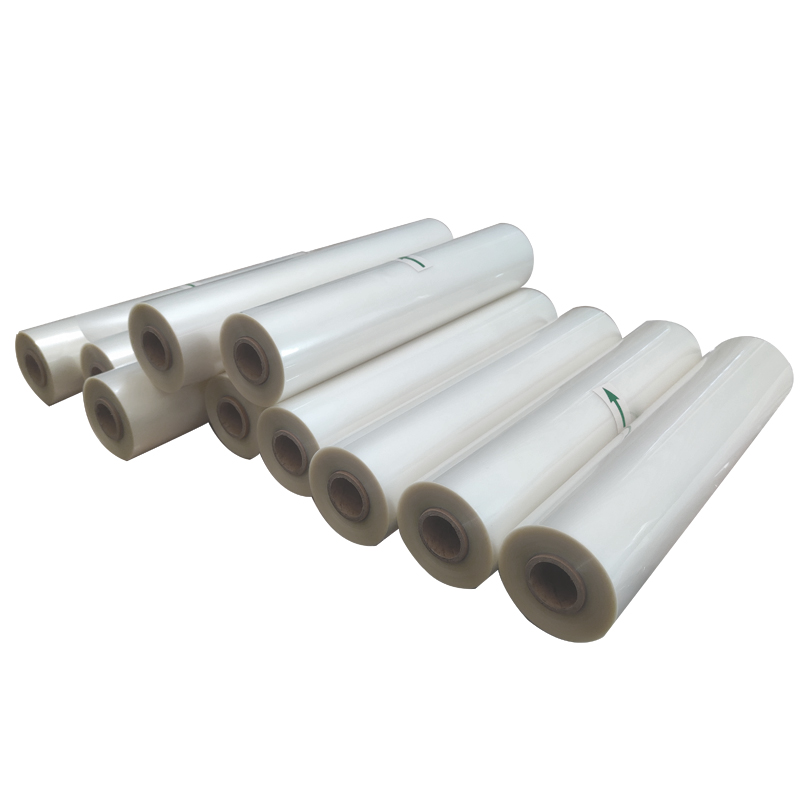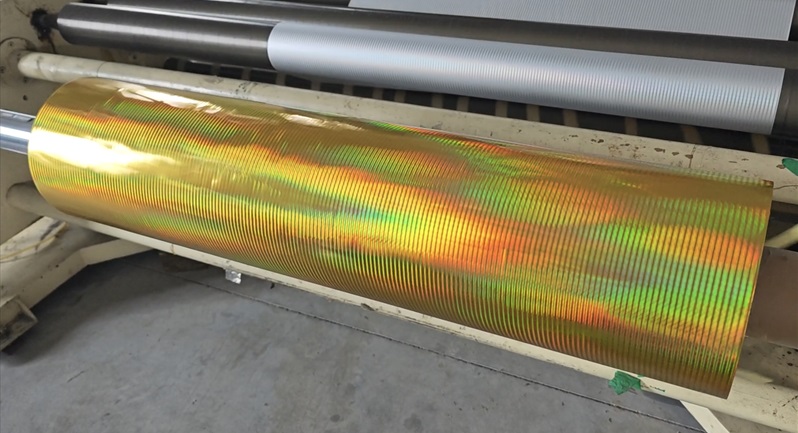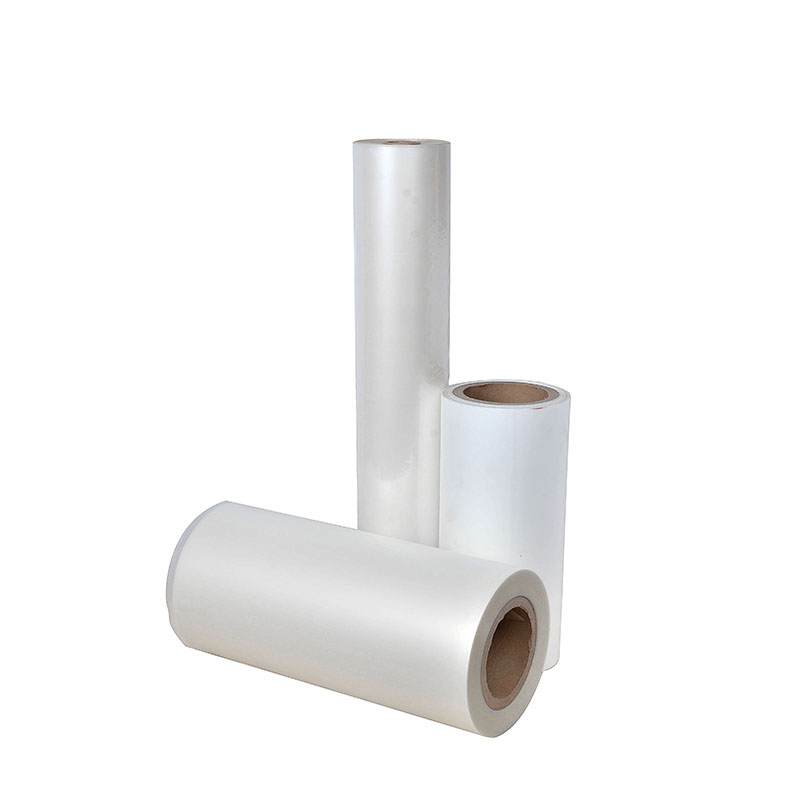
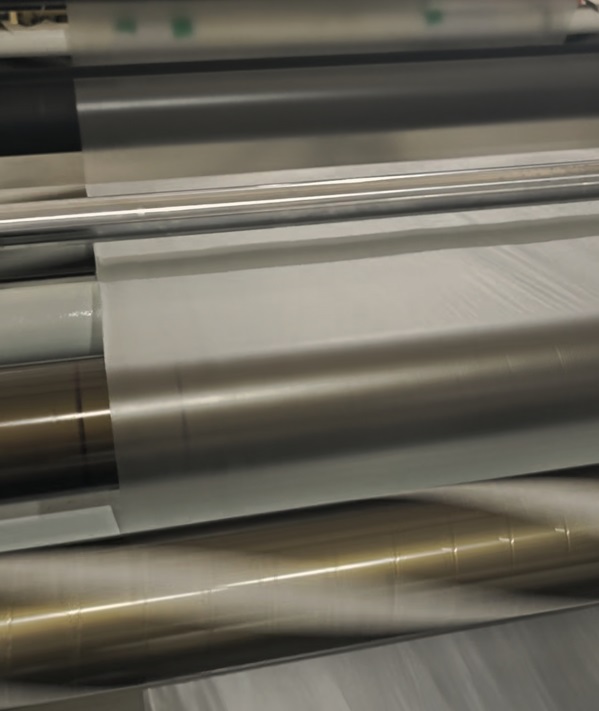
High-transparency nylon thermal lamination film (BOPA, biaxially oriented polyamide substrate) is made by laminating food-grade EVA hot melt adhesive onto a BOPA nylon base. It offers excellent light transmission and high gloss, providing superior puncture resistance, oil resistance, and oxygen barrier performance compared to conventional BOPP thermal lamination film. The roll maintains stable tension, making it ideal for high-speed lamination machines. After lamination, printed graphics appear sharp and vivid. With excellent resistance to both high and low temperatures, this film is well-suited for premium applications such as high-end brochures, gift boxes, and packaging for food and pharmaceutical products where protection and visual appeal are critical. Available in bulk orders and custom specifications.
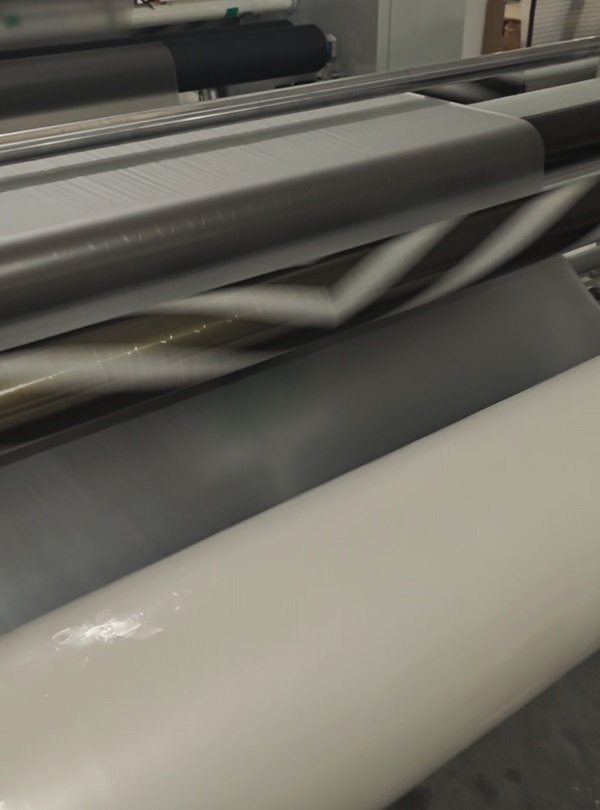
This high-transparency nylon thermal lamination film is made from premium nylon substrate combined with safe, eco-friendly hot-melt adhesive. No harmful solvents are added during production, and it contains no formaldehyde or unpleasant odors. It has passed relevant quality and environmental safety tests, making it suitable for food, cosmetics, and pharmaceutical packaging without causing pollution like traditional adhesives. The film offers excellent toughness, resists puncturing, and provides oil resistance as well as acid-alkali resistance, adapting well to various conditions such as low-temperature freezing or boiling water. The roll construction is solid, with a smooth surface, uniform tension, and tightly wound coils, minimizing air bubbles, wrinkles, or delamination during lamination. Compatible with both fully automatic and semi-automatic laminating machines, the adhesive melts evenly when heated, ensuring strong, stable bonding, enabling continuous mass production in factories. After lamination, printed graphics remain vivid and clear, with sharp, transparent visuals. Further processing such as foil stamping, embossing, and cutting can be performed after lamination without peeling or cracking, effectively protecting printed designs from scratches and fading while extending the lifespan of packaging and printed materials. We offer multiple thickness options, and roll width can be customized according to requirements. Core specifications and roll length are also customizable. The default option is glossy transparent, but matte finishes are available upon request.
This high-transparency nylon thermal lamination film is widely applicable. For high-end printing, it is ideal for hardcover brochures, premium book covers, elegant posters, and luxury business cards, enhancing visual appeal while offering scratch and wear resistance. In gift box packaging, it works well for luxury gift boxes, tobacco and alcohol gift sets, cosmetic color boxes, and carry bags—its high transparency fully showcases intricate designs, while its strength prevents damage during transportation. For food packaging, it is suitable for ready-to-eat meals, frozen ingredients, meat products, and vacuum-packed foods, providing excellent barrier properties against air and oils, and performing reliably under freezing or boiling conditions. In pharmaceutical and daily chemical packaging, it meets industry safety standards for medicine outer packaging, skincare product boxes, and cleaning product labels. It is also suitable for self-adhesive labels and digital print products, supporting subsequent processes such as foil stamping, UV coating, and embossing.
Unlike conventional BOPP thermal lamination film, nylon film offers superior puncture resistance, oil resistance, and better air barrier performance, along with excellent heat tolerance across wide temperature ranges, delivering a more premium lamination finish. While BOPP film is more cost-effective and commonly used for standard color boxes and brochures, nylon pre-coated film is recommended for applications requiring vacuum food packaging, oil resistance, puncture protection, or storage under freezing or boiling conditions. Ordinary BOPP film may be preferred for general printing lamination. Due to differences in thermal characteristics between nylon and standard laminating materials, we recommend setting the lamination temperature between 100–130°C. It's advisable to test machine speed and temperature using samples first to prevent coil warping or poor adhesion. Store the product in a cool, dry place away from direct sunlight, moisture, and high temperatures. Keep rolls upright and avoid stacking too high to prevent deformation from compression.