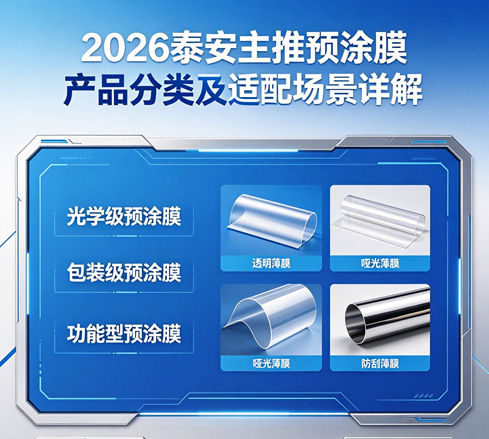
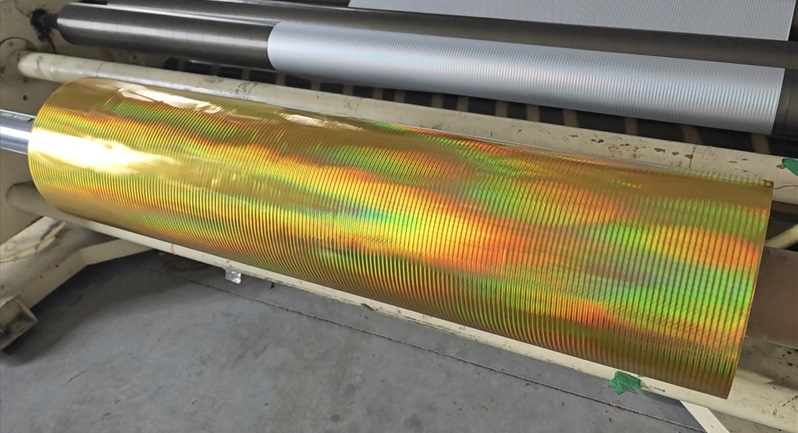
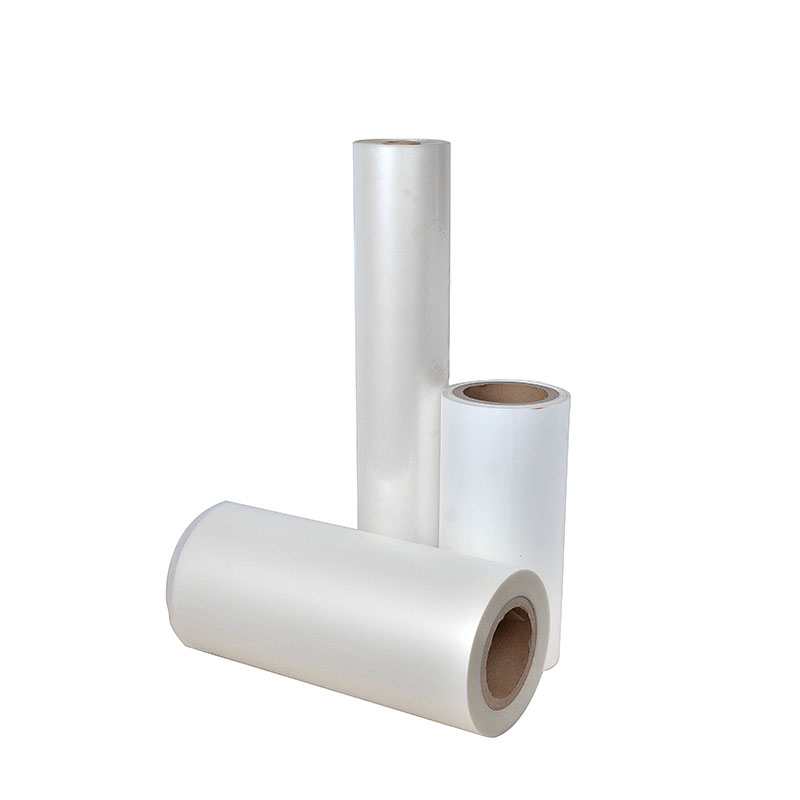
As downstream application scenarios continue to diversify, the thermal lamination film industry has seen continuous refinement of its product system. Currently, mainstream thermal lamination film on the market can be categorized along three dimensions: material (BOPP/PET/BOPA/CPP/PP, etc.), gloss (glossy, matte), and thickness, offering comprehensive solutions tailored to the lamination needs of various industries. These films have become standard materials in packaging, printing, cultural and creative sectors, among others.
By material, BOPP thermal lamination film offers excellent cost performance, featuring high flexibility and good light transmittance, making it widely used for lamination on ordinary packaging boxes, brochures, and posters. PET thermal lamination film is highly rigid, wear-resistant, and heat-resistant, having passed multiple quality tests, making it ideal for premium packaging applications in food, pharmaceuticals, and cosmetics. BOPA nylon thermal lamination film provides strong puncture and tear resistance, excellent barrier properties, and superior adaptability to extreme temperatures, suitable for frozen and insulated products as well as pharmaceutical and electronic packaging.
In terms of visual effect, the product line is divided into two main series: glossy transparent and matte frosted. The glossy version enhances product texture and shine, while the matte version reduces glare and resists fingerprint marks, making it perfect for high-end books, cultural and creative products, and premium gift boxes.
By thickness, the films are categorized into thin (under 18 microns), medium (18–27 microns), and thick (over 27 microns). Taian primarily produces medium- to thick-gauge thermal lamination film of 18 microns and above. These are suitable for lightweight materials such as office documents, certificates, and flyers, as well as industrial-grade thick films designed to meet demanding requirements for frequent folding, abrasion resistance, and compression strength in industrial packaging.