Proper Storage and Scientific Use of Thermal Lamination Film
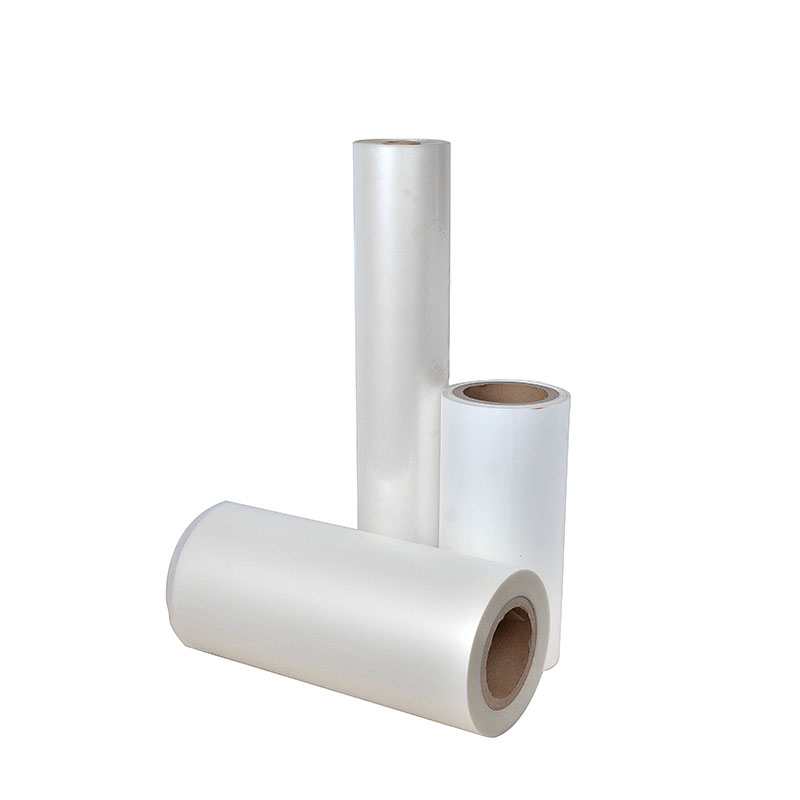
In industries such as printed packaging, graphic advertising, and cultural creative production, thermal lamination film have become the mainstream lamination material due to their environmental friendliness, high efficiency, smooth lamination results, and stable adhesion. However, in actual production and application, improper storage conditions, non-standard operating procedures, and misconceptions about finished products often lead to issues such as film sticking, loss of effectiveness, delamination of finished goods, and insufficient outdoor durability—impacting product quality and delivery outcomes. To help customers use thermal lamination film correctly, avoid quality losses, and reduce production costs, this article provides a comprehensive guide on standardized storage, post-opening maintenance, finished product performance, and practical solutions to common operational challenges.
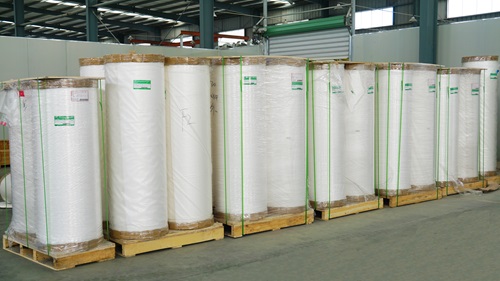
The storage conditions of thermal lamination film directly determine its performance and service life, with high temperature and high humidity being the two main factors that damage the product. The standard storage conditions for thermal lamination film are an ambient temperature of 15°C to 25°C and a relative humidity of 40% to 65% RH. The film should be stored upright on moisture-proof pallets, away from direct sunlight, heat sources, and areas prone to water accumulation. Stacking or laying flat is strictly prohibited to prevent deformation of the roll and damage to the adhesive layer. If stored long-term in temperatures above 30°C, the hot-melt adhesive layer will soften and weaken, causing internal self-adhesion within the roll and premature aging of the adhesive. This may lead to issues such as bubbles, delamination, and insufficient adhesion after lamination. In humid environments, moisture can adsorb onto the film surface and adhesive layer; when heated during processing, this moisture vaporizes, resulting in numerous white spots and bubbles in the finished product—severe cases may render the product completely unusable.
Regarding shelf life, standard thermal lamination film under proper conditions have a 12-month validity period from the date of production. Functional pre-coated films such as ultra-matte and soft touch thermal lamination film are more delicate and should ideally be used within 6 to 9 months. It is important to note that high temperature and humid environments significantly shorten their service life—some improperly stored thermal lamination film may experience performance failure within just 3 to 6 months. For unused thermal lamination film rolls after opening, moisture protection and sealing are critical. Customers should promptly wrap the film roll completely with original anti-moisture film or PE film, ensuring the ends are tightly sealed to prevent moisture ingress, and store them upright. Ideally, use within 30 days; in humid regions, it is recommended to consume within 15 days to avoid issues such as adhesion and moisture absorption caused by prolonged exposure.
The quality of thermal lamination film products depends 70% on storage and 30% on processing. Proper warehouse management and scientific handling practices not only maximize the performance of pre-coated films, extend product lifespan, but also effectively reduce material waste and after-sales disputes, helping the printing and packaging industry achieve high-quality, efficient production.