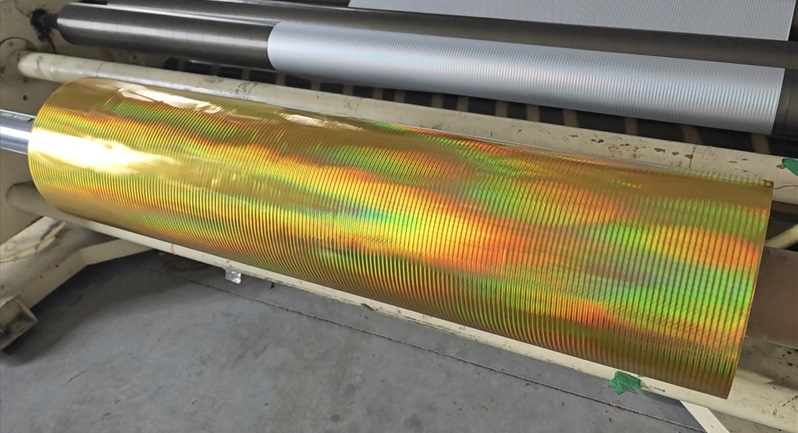
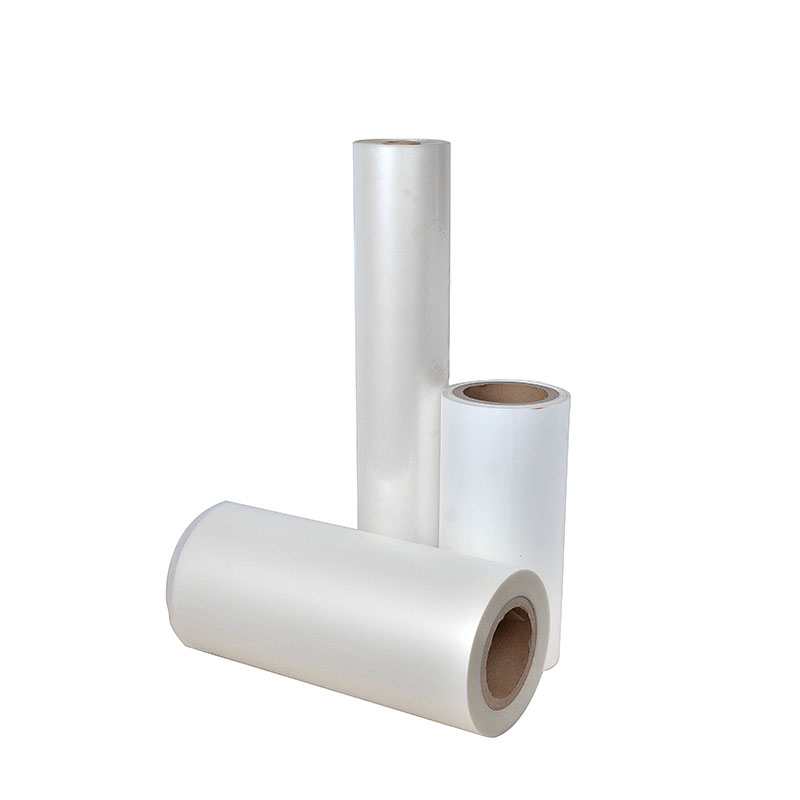
Recently, several companies in the printing and packaging industry have reported that thermal lamination film commonly develop issues such as roll adhesion, uncoiling jamming, reduced lamination adhesion, delamination, and wrinkling after conventional storage periods. Some batches are directly scrapped, resulting in material waste and production delays.
These failures are generally not due to quality defects at the time of manufacture but rather stem from a combination of factors including storage conditions, stacking methods, inventory management, and material aging—highlighting a widespread weakness in warehouse management across the industry.
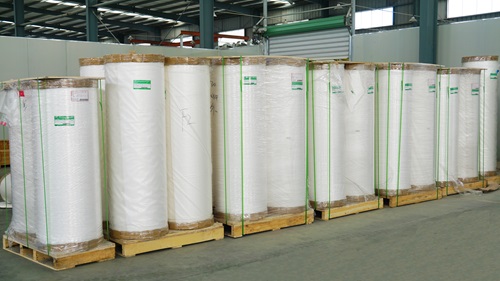
Thermal lamination film consist of a film substrate and a hot-melt polymer adhesive layer. They are stable upon leaving the factory and come with a warranty period of 12 to 24 months. However, improper storage can lead to irreversible degradation of the adhesive layer. Imbalanced temperature and humidity are the primary causes of failure. Excessively high storage temperatures soften the adhesive, causing it to bleed and leading to roll sticking, especially under poor ventilation, which increases the risk of tearing during uncoiling and material scrap. High humidity causes the adhesive to absorb moisture, altering its structure and reducing cohesion, significantly weakening lamination adhesion and triggering problems like blistering, delamination, and edge curling. Condensation caused by diurnal temperature fluctuations further accelerates adhesive deactivation, while low-temperature dry environments may cause the adhesive to become brittle and lose tack. Improper stacking and poor inventory practices exacerbate these issues; many companies stack thermal lamination film too high, place them flat under heavy pressure, or store them directly on the floor. Prolonged static compression can harden and bond the softened adhesive layer. Additionally, mixing new and old stock and failing to follow the first-in-first-out (FIFO) principle leads to prolonged material stagnation, migration of plasticizers, oxidation, and aging of the adhesive, gradually eliminating its tackiness and creating cases where materials appear intact but are completely unusable—a form of "apparent" failure. Furthermore, long-term storage naturally ages the polymer in the adhesive layer, and exposure to warehouse dust and volatile pollutants further compromises adhesive activity, compounding lamination failure risks.
Industry experts emphasize that proper storage is critical: maintain a constant temperature between 18°C and 25°C, relative humidity between 50% and 60%, ensure good ventilation and avoid direct light, store rolls vertically off the ground and away from walls, and strictly implement inventory records and FIFO procedures. These measures effectively reduce material loss, stabilize product quality, and help companies lower costs and mitigate risks.