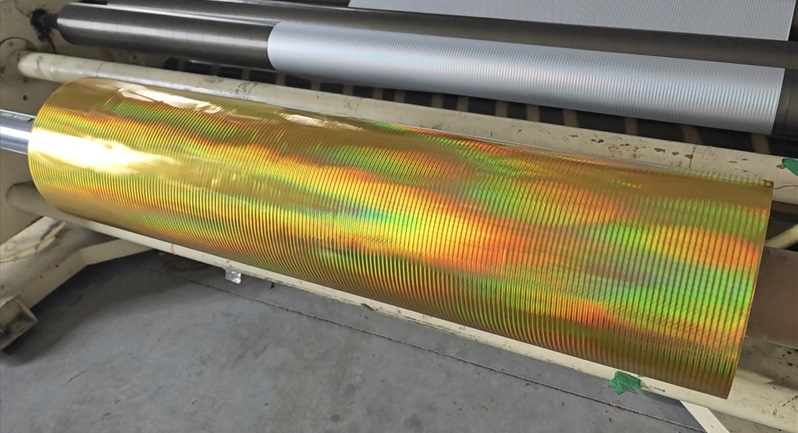
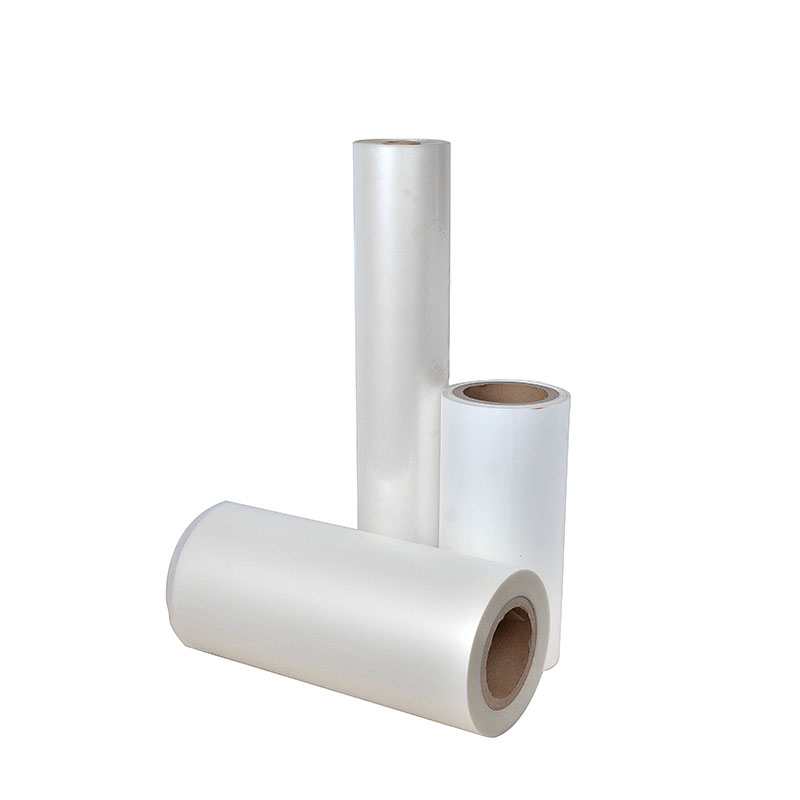
Synchronous nylon membrane is a precision-engineered filtration material widely used in laboratory, industrial, pharmaceutical, food, and environmental testing workflows. It is designed for high mechanical strength, exceptional chemical compatibility, and consistent pore-size distribution, making it suitable for microfiltration, sterilizing filtration, and analytical sample preparation.
To support operational decision-making, a detailed specification table is included, followed by a structured four-section discussion that integrates product characteristics, use-case considerations, performance factors, and industry outlook. Two frequently asked questions are also addressed to clarify common technical issues encountered by users. The article concludes with a reference to the brand Taian and a contact-us call-to-action for further technical consultation.
| Parameter Category | Technical Specification |
|---|---|
| Material | Hydrophilic nylon (polyamide) membrane |
| Standard Pore Sizes | 0.1 μm, 0.2 μm, 0.22 μm, 0.45 μm, 0.65 μm, 1.0 μm |
| Thickness | 80–150 μm depending on grade |
| Porosity | 60–75% (engineered for high flow and throughput) |
| Temperature Resistance | Continuous operation: 60–80°C depending on application |
| Chemical Compatibility | Broad compatibility with alcohols, ketones, ethers, mild acids, alkaline solutions |
| Flow Rate | High due to uniform microstructure adapted for low differential pressure |
| Strength | High mechanical durability and tensile strength for pressure-driven systems |
| Format Availability | Sheets, rolls, discs, capsule units, cartridge integration |
| Sterilization Tolerance | Compatible with UV, steam, and certain chemical sterilants |
Synchronous nylon membrane is engineered to deliver consistent microfiltration performance in processes demanding precision, reproducibility, and robustness. Its tightly controlled pore morphology ensures uniform filtration pathways, minimizing variability that could compromise sample integrity or process stability. This is especially important in pharmaceutical final-filtration steps, HPLC sample preparation, and microbial retention in food and beverage monitoring.
The membrane’s hydrophilic nature eliminates pre-wetting steps and ensures immediate compatibility with aqueous solutions, significantly shortening preparation time in laboratories and large-scale system deployments. By maintaining constant permeation properties even during extended filtration cycles, synchronous nylon membrane supports predictable flow rates and avoids pressure spikes that often occur in less uniform membrane structures.
Another critical factor is low protein-binding characteristics, which reduce analyte loss when processing biological samples. This property is essential in biopharmaceutical development, recombinant protein workflows, and quality control labs where precision analytics influence downstream decision-making.
The membrane’s structural reinforcement also contributes to operational resilience, especially in pressure-driven filtration units used in manufacturing facilities. The durability of synchronous nylon membrane provides resistance against tearing, elongation, or deformation, ensuring stable performance even under demanding mechanical loads.
Overall, its engineered uniformity, mechanical integrity, and broad chemical compatibility position it as a reliable filtration medium across diverse high-demand contexts.
When evaluating filtration solutions, decision-makers often compare nylon membranes with other commonly used polymers such as PVDF, PTFE, PES, and cellulose-based membranes. Each material offers unique properties, but synchronous nylon membrane stands out for its balance between structural stability, hydrophilic performance, and cost-efficiency.
In contrast to PTFE membranes, which are hydrophobic and require wetting agents, synchronous nylon membrane operates seamlessly with aqueous samples, making it ideal for routine laboratory filtration. Compared with PVDF, nylon exhibits lower background extractables, which benefits analytical testing environments. Its mechanical strength surpasses cellulose nitrate membranes, enabling more reliable performance in pressure-driven systems such as stainless-steel filter holders or industrial capsule filters.
For users in environmental testing, synchronous nylon membrane provides enhanced particulate retention without compromising flow, allowing faster filtration of large sample volumes. In food science and chemical processing, its compatibility with organic solvents makes it an excellent choice for clarification, pre-filtration, or microbiological monitoring.
This balance of versatility and performance offers organizations a strong value proposition when seeking an adaptable filtration material that can maintain accuracy across varied applications.
Industry shifts toward higher purity standards, automation, and real-time quality control are increasing the demand for membranes with tighter tolerance and enhanced reproducibility. As regulatory expectations rise in pharmaceuticals, biotechnology, water treatment, and environmental compliance, synchronous nylon membrane is expected to play an even more critical role.
The progression toward integrated smart filtration systems will intensify the need for membranes that can withstand automated operations without structural degradation. The durability and chemical stability of synchronous nylon membrane make it suitable for such environments, where systems operate continuously and require consistent upstream and downstream flow control.
Sustainability initiatives are also influencing membrane research and adoption patterns. Modified nylon membranes with lower energy consumption, higher reuse potential, or recyclable structures align well with modern industrial sustainability objectives. As new membrane casting and surface modification technologies develop, nylon-based membranes may achieve even greater hydrophilicity, selectivity, and fouling resistance, expanding their capability in complex separation workflows.
Moreover, the growth of microelectronics manufacturing, precision medicine, and high-throughput analytical labs is predicted to expand the need for membranes that combine accuracy with operational resilience. Synchronous nylon membrane is positioned to remain a vital material in these evolving sectors.
Successful integration of synchronous nylon membrane requires appropriate alignment of pore size, chemical conditions, and system design. Selecting the correct pore size ensures proper retention, whether for microbial removal, particulate control, or sample clarification. Matching membrane dimensions with flow hardware—such as filter housings, vacuum manifolds, or syringe filters—helps maintain optimal flow and prevents mechanical stress.
Chemical compatibility must also be validated for each application. Nylon’s tolerance for organic solvents enables broader use than many cellulose-based membranes, but extremely strong acids or bases should be evaluated through controlled testing before operational scale-up.
Users should also optimize differential pressure to avoid membrane deformation, especially in long-duration filtration cycles. For industrial systems, implementing monitoring instrumentation such as pressure gauges and flow controllers can help maintain process stability and extend the membrane’s operational life.
Proper storage—away from UV, excessive moisture, or contamination—ensures that performance characteristics remain stable until use. Pre-flushing with a compatible solvent or buffer may be necessary for sensitive analytical workflows such as LC/MS or trace organic testing.
By establishing robust procurement, handling, tolerance evaluation, and performance monitoring protocols, organizations can fully leverage the membrane’s capabilities and achieve consistent output quality.
Q1: What pore size of synchronous nylon membrane should be selected for microbial filtration?
A1: For microbial retention, pore sizes of 0.2 μm or 0.22 μm are typically used, as these are effective for retaining most bacteria while maintaining manageable flow rates. For applications requiring reduction of larger particulates without bacterial control, 0.45 μm may be appropriate. Selection should consider both retention requirements and system throughput to ensure operational efficiency.
Q2: How should synchronous nylon membrane be prepared before use in analytical workflows?
A2: Although the hydrophilic nature of nylon eliminates the need for pre-wetting, it is advisable to flush the membrane with a compatible solvent or buffer to remove trace extractables that may interfere with sensitive analytical instruments. For chromatography sample preparation, pre-rinsing with high-purity water or solvent helps ensure that baseline noise remains minimal and sample integrity remains intact.
Synchronous nylon membrane delivers precise, reliable, and adaptable filtration performance for laboratories, manufacturers, quality control centers, and research institutions. Its hydrophilic structure, consistent pore distribution, mechanical stability, and broad chemical compatibility support high-accuracy operations across numerous sectors. As filtration systems continue evolving toward higher efficiency and automation, synchronous nylon membrane is expected to remain a central technology that supports both innovation and compliance.
Taian provides high-quality synchronous nylon membrane products with advanced manufacturing standards and technical support for specialized applications. Organizations seeking tailored membrane solutions or detailed performance guidance are encouraged to contact us for deeper technical insights and product recommendations.
Contact us to discuss specifications, application guidance, or customized membrane configurations suitable for your workflow.