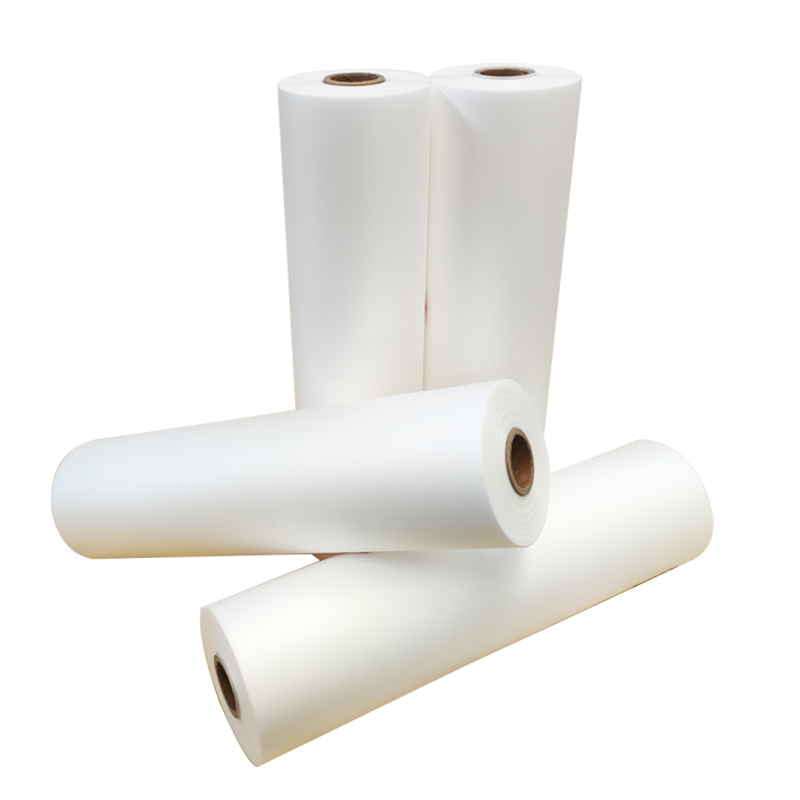
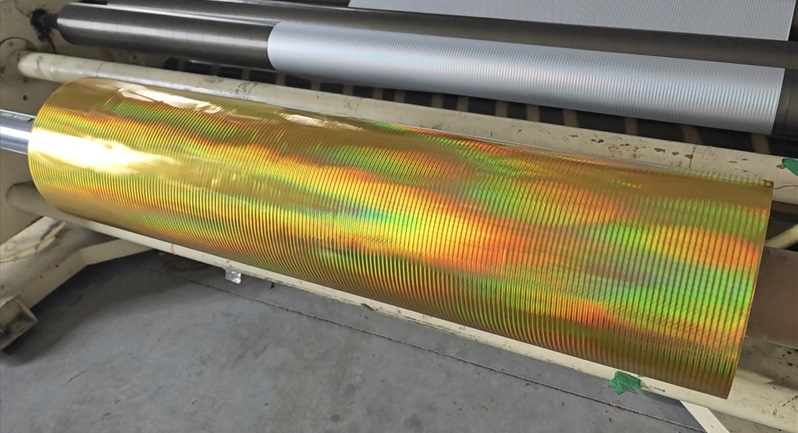
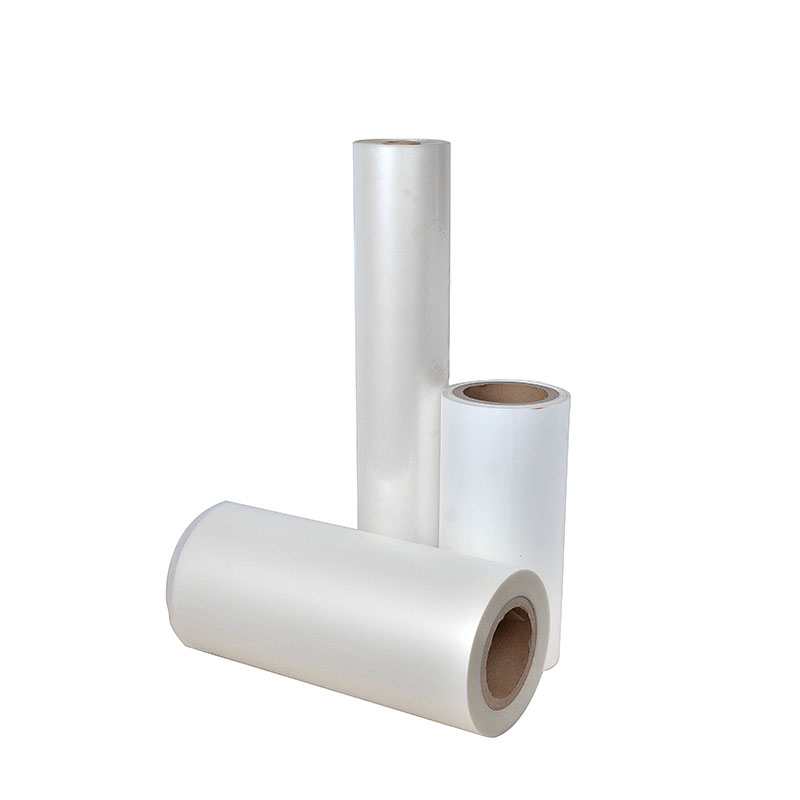
一、Film Material Selection: Reduce Warping Risk at the Source
The tensile stability of standard thermal lamination film substrates varies widely on the market. Some products feature overly rigid hot-melt adhesive formulations and high thermal shrinkage coefficients, making them prone to corner lifting when laminating thin papers, coated papers, or matte papers.
1、For thin papers (128gsm and below), prioritize low-shrinkage, low-temperature thermal lamination film to reduce required lamination temperatures and minimize paper deformation due to heat. For thick cardstock, use standard universal films and avoid blindly using high-shrinkage films.
2、Choose films with uniformly applied adhesive layers and those processed through factory-controlled constant-temperature aging. All Taian Thermal Lamination Film products undergo fully automated precision coating and temperature-stabilized aging processes, effectively controlling transverse and longitudinal shrinkage differences and reducing inherent stress.
3、For special orders, send samples for testing in advance and customize adhesive formulations specifically for matte papers, specialty papers, or UV-printed substrates.
2. Adjust Lamination Equipment Parameters: Most curling issues stem not from film defects but from improper machine settings.
二、Temperature Control
1、Excessively high temperature:
-Overheating stretches the film excessively; upon cooling, it shrinks rapidly, causing the product to curl toward the film side.
-Insufficient temperature: Incomplete activation of the hot-melt adhesive results in weak bonding, leading to edge separation and lifting.
-Recommendation: Maintain standard thermal lamination film temperature between 90–110°C; for low-temperature films, reduce to 80–90°C. Make minor adjustments based on paper thickness. Avoid sudden, large temperature increases.
2、Tension Control
-Excessive unwind tension stretches the film continuously; once released during slitting, the film contracts and curls.
-Excessive rewind tension increases pressure during stacking, worsening deformation.
Improvement Measures: Loosen unwind tension slightly to keep the film flat without sagging; reduce rewind pressure and allow finished laminates to cool flat before rolling tightly.
3、Running Speed and Composite Pressure
-Too high speed leads to insufficient heat transfer and uneven adhesive melting.
-Excessive pressure compresses the paper, causing deformation.
Match speed to machine type to ensure adequate heat pressing and balanced pressure. Maintain consistent pressure across both ends of the heating and adhesive rollers.
三、Paper and Workshop Environment Management: Paper moisture content significantly affects warping. Uneven moisture levels or dampness cause rapid water evaporation during lamination, leading to paper shrinkage and deformation.
四、After lamination, allow natural cooling and setting. Avoid heavy compression or direct sunlight exposure.
五、Technical Tips from Taian Thermal Lamination Film: Quickly Identify Fault Types for Precise Troubleshooting
- Finished products consistently curl toward the film side: Likely caused by excessive film tension or too high lamination temperature.
- Localized corner lifting or easy peeling: Indicates insufficient temperature or low pressure, resulting in poor adhesive bonding.
- Products alternate between warped and flat within the same batch: Suggests fluctuating workshop humidity or unstable paper moisture content.
- New film performs well, but develops curling after storage: Likely due to high storage temperatures causing premature shrinkage of the substrate.