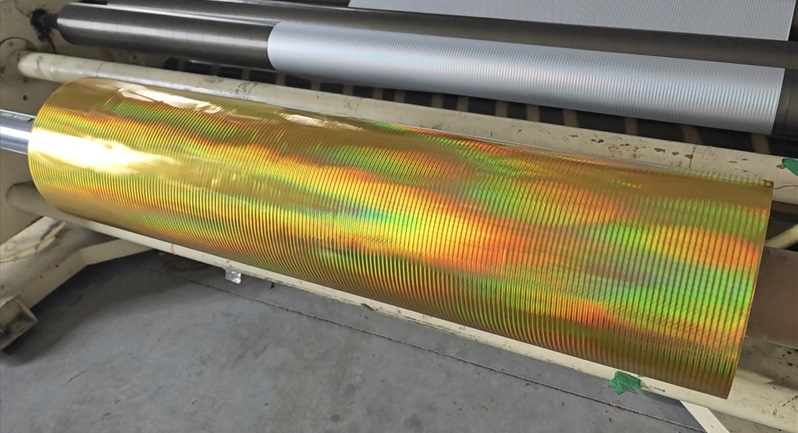
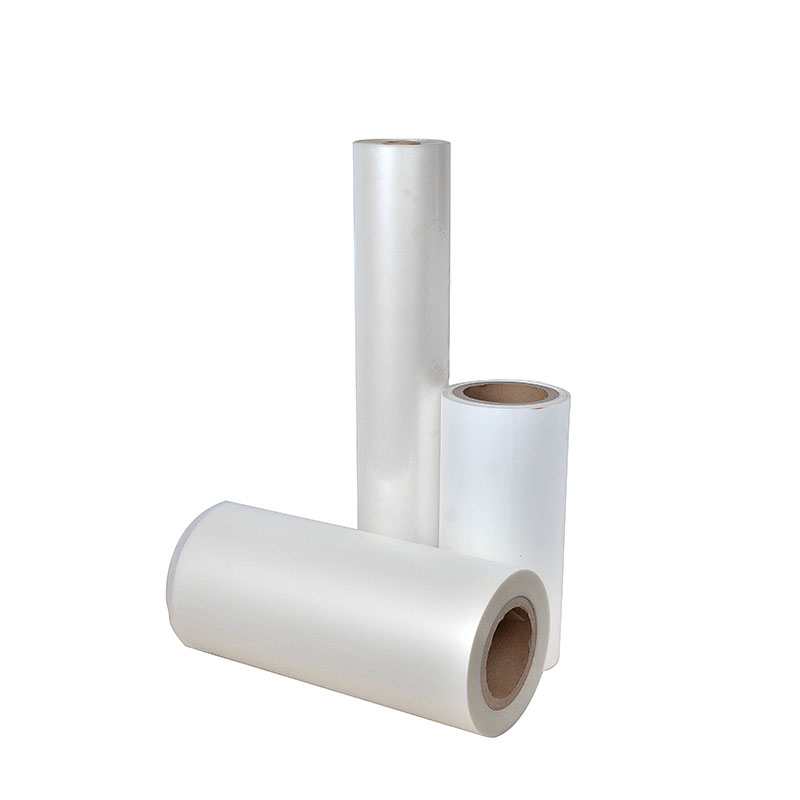
In the printing and packaging, as well as quick-printing industries, thermal lamination film is an essential material for post-press processing. For a long time, many business owners believed that "international thermal lamination film are undoubtedly superior to those made in China." However, in recent years, Chinese thermal lamination film technology has been making continuous breakthroughs, gradually narrowing the gap between the two. Many procurement managers now find themselves torn: with such a clear price difference, how significant are the performance differences? For different orders, which option—international or Chinese production—is truly more cost-effective?
Let's objectively discuss the actual gap between international and Chinese thermal lamination film.
The first thing people notice is the uniformity of the adhesive layer and batch consistency. Leading imported thermal lamination film, relying on mature precision coating equipment and well-established formulation systems, offer higher consistency in adhesive thickness across the entire roll. During high-speed lamination, they demonstrate greater tolerance to minor fluctuations—such as slight temperature changes or variations in web speed—reducing the risk of localized adhesive deficiency, bubbles, or orange peel effects. For fine downstream processes such as deep embossing, raised and debossed stamping, multiple foil stamping, and UV varnishing, imported films provide stable adhesion performance and lower risks of delamination or blistering even after extended storage periods.
Next is optical performance and weather resistance. High-end imported film substrates feature high purity and excellent light transmittance, ensuring clean color reproduction after lamination. Matte films offer uniform haze, minimizing issues such as graying or mottling. In environments with alternating high and low temperatures or prolonged outdoor storage, their superior anti-aging properties and resistance to yellowing become even more evident. Additionally, the wide range of specialty models makes them ideal for demanding applications including digital printing, specialty art papers, and food-grade packaging.
However, international imported films also have significant shortcomings: prices are generally 30% to 80% higher than domestic products, and when combined with tariffs and long delivery times, bulk procurement places a heavy financial burden. Minimum order quantities for custom specifications are high, making flexible purchasing difficult for small orders, and after-sales response cycles are longer.
As for China's thermal lamination film, they vary by manufacturer and can be categorized into high-end and low-end segments.
China's leading manufacturers have introduced high-end coating production lines, enabling domestically produced premium thermal lamination film to match the performance of mid-range imported products in common applications such as standard brochures, flyers, ordinary color boxes, and illustrated proposals. These films deliver smooth lamination, strong adhesion, and low failure rates during standard processes like laminating, simple die-cutting, and conventional foil stamping. Their greatest advantages lie in affordable pricing and flexible supply. With a wide range of specifications available, they can quickly fulfill small-batch or urgent orders, while local manufacturing enables easier technical coordination and convenient after-sales adjustments.
In contrast, low-cost, generic Chinese thermal lamination film still face significant shortcomings. Some smaller manufacturers cut costs on base materials and adhesive formulations, resulting in uneven adhesive layers, excessive thermal shrinkage, and wrinkling during high-speed production. These films may also yellow over time, exhibit poor adhesion on thick ink layers or rough art papers, and suffer delamination during post-press processing.
In short: The quality of China's thermal lamination film is highly polarized—choosing the right brand is crucial.
Practical purchasing guidelines.
✅ Prioritize internationally imported thermal lamination film, ideal for these applications:
High-end gift boxes, packaging, premium catalogs—where superior finish quality and color accuracy are essential;
Products requiring deep embossing, 3D effects, multiple foil stamping, long-term storage, or export orders;
Outdoor displays requiring excellent aging resistance and minimal yellowing; when aiming for extremely low waste rates and sufficient budget.
✅ Prefer high-quality Chinese-made thermal lamination film for maximum cost-effectiveness
Flyers, posters, books, magazines, tender documents, standard color boxes, and routine print-on-demand orders;
Simple processes involving only basic lamination and standard die-cutting, with no complex post-processing;
High-volume orders requiring strict control of raw material costs to maximize profit margins;
Frequent urgent or small-batch custom orders demanding fast delivery and nearby after-sales support.
In summary, international imported thermal lamination film excel in higher stability limits and stronger adaptability to specialized applications, while high-quality Chinese-made thermal lamination film offer advantages in price, delivery time, and flexibility, delivering outstanding cost-effectiveness under standard operating conditions. There is no absolute winner—choosing the best option depends on aligning with your specific order requirements, processing methods, and budget.