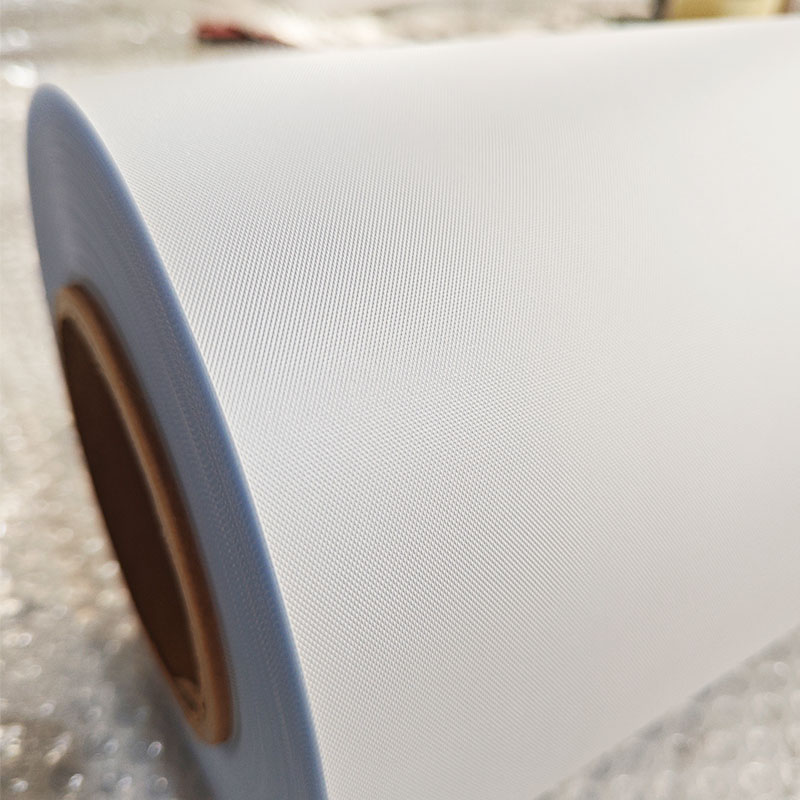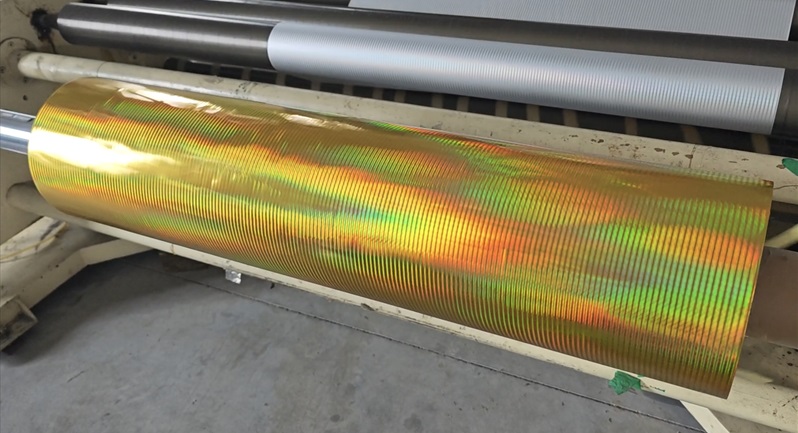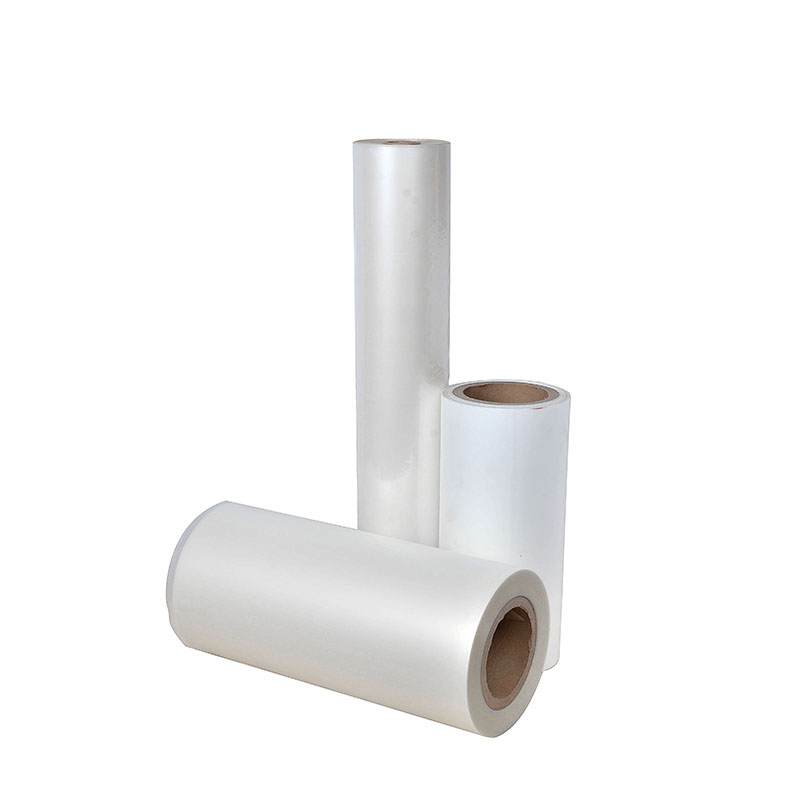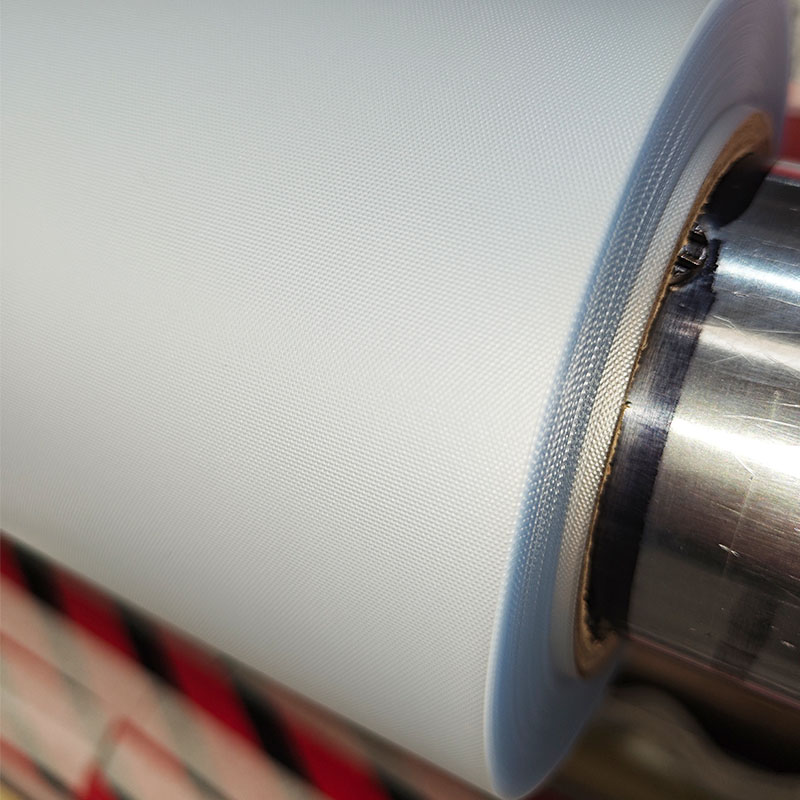
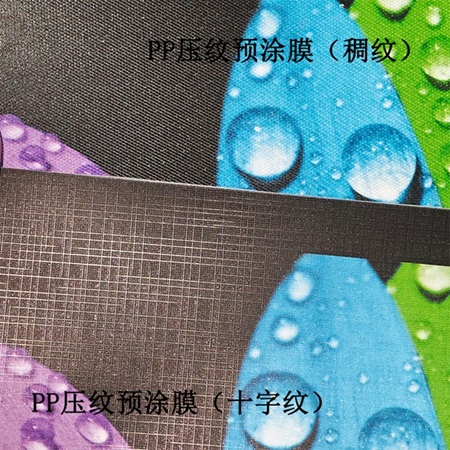
Thickened PVC Embossing thermal lamination film, manufactured in Taian, is available for factory wholesale and customized production, with a focus on overseas markets and primary application in the printing and packaging industry. The thermal lamination film features a well-defined surface texture, scratch resistance, and moisture protection, making it compatible with most thermal lamination equipment. The embossed pattern resists fading under heat, delivering a premium finished appearance suitable for color boxes, high-end gift boxes, brochures, and other packaging applications. For export orders, relevant material documentation can be provided to help reduce customs clearance and after-sales complications.
Professionals engaged in foreign trade within the printing and packaging sector have, to varying degrees, encountered challenges with lamination materials. Some films present an appealing texture initially; however, once subjected to the high-temperature rollers of a laminating machine, the embossed pattern flattens out entirely, causing samples sent to overseas clients to differ markedly from bulk shipments. Others exhibit uneven adhesive coating, leading to sporadic bubble formation and edge curling during production runs, which necessitates repeated adjustments to temperature and speed on the shop floor and disrupts production scheduling. Long-distance ocean freight involves complex environmental conditions, with temperature and humidity fluctuations inside containers. Standard films lack sufficient protective capacity, making them susceptible to scratching and ink-layer blooming caused by moisture exposure. By the time clients take delivery, after-sales disputes frequently arise.
Unlike conventional thin films on the market, the thickened PVC embossing thermal lamination film does not rely merely on increased raw material thickness as a marketing gimmick. Through an integrated extrusion molding process, the substrate achieves a substantial and refined tactile quality. Whether selecting lychee grain, brushed grain, or sand grain patterns, the embossed texture remains stable after thermal lamination and does not readily blur or fade. Displayed on overseas supermarket shelves, this inherent tactile texture is more effective at capturing consumer attention than standard gloss or matte films. Many designers working on beauty gift boxes and premium color boxes prefer this material to achieve distinctive packaging effects.
Machine compatibility during lamination is another notable advantage. Many packaging plants operate multiple laminating machines, often mixing old and new models. Poor material adaptability can easily lead to film slippage and stretching deformation. The hot-melt adhesive formulation of PVC embossing thermal lamination film has been calibrated to provide a relatively broad melting range, maintaining stable performance in both low-speed sampling and high-speed mass production. Even with minor humidity fluctuations on the shop floor, the probability of wrinkling and delamination can be minimized when standard lamination protocols are followed. Stable machine performance translates to fewer rework incidents, a particularly tangible advantage for export orders with strict shipping deadlines.
Thickened PVC Embossing thermal lamination film is well-suited for creating a distinctive packaging style, with pattern customization available. In addition to the existing range of established patterns, clients with proprietary designs may discuss roller engraving and sampling to achieve packaging textures unavailable elsewhere. All raw materials undergo incoming inspection, with corresponding test documentation retained for each batch. For exports to different countries, material-related documents can be provided as required to proactively mitigate compliance risks during customs clearance.
Thickened PVC Embossing thermal lamination film is produced by a source manufacturer in Taian, with favorable pricing for volume orders; customized production can be arranged for special widths and pattern requirements. With long-term focus on overseas markets, the entire delivery process aligns with foreign trade order practices. Each finished roll receives individual moisture-proof wrapping, roller surfaces are protected, outer cartons are reinforced, and label information is clear and complete for convenient warehouse inventory and export container loading. Many traders and packaging factories begin by requesting samples to test machine performance and, after confirming consistent quality, gradually establish long-term cooperation. Quality lamination materials are, by nature, an inconspicuous yet critical component of packaging exports.